You’ve seen the offer. A fridge, a phone or a hospital bill, payable in bits instead of all at once. It sounds like exactly what you need. Then a second thought arrives: is this safe?
It’s a fair question. Pay small small is a way of paying, not a single company, and some of the businesses offering it are careful while others aren’t. So the honest answer is this: it can be safe, but it depends on who is offering it and how the plan is set up.
This guide shows you how to tell the difference. You’ll find out what “safe” really means, the signs of a trustworthy plan, the red flags to walk away from, and the questions to ask before you agree to anything.
Signs of a Trustworthy Pay Small Small Plan#
- You can see the full cost upfront: The total, the number of instalments, the due dates and any fees are shown clearly before you agree.
- The terms are in plain language: If the small print is hard to understand on purpose, that's worth noticing.
- There's a real business behind it: A proper name, a working address, a phone line that gets answered and an official website. Ask if the provider works with, or under, a regulated institution, and check with the relevant regulator if you're unsure.
- The application checks who you are: It may sound inconvenient, but a provider that verifies identity and ability to repay is protecting you as well as itself.
- Payments go through official channels: You pay through the provider's platform or a bank account in the business's name, not a personal account.
- You get a record: A confirmation of your plan, and a receipt or update for each payment.
- Complaints are easy to make: There's a clear way to reach someone if something goes wrong.
Red Flags: When to Walk Away#
- You're asked to pay a "processing" or "approval" fee before anything is approved.
- You're pressured to decide immediately, or told the offer disappears in minutes.
- The total cost is vague, or changes between the first conversation and the paperwork.
- You're asked to pay into a personal account.
- You're asked for your PIN, OTP, password or full card details in a chat or by phone. A genuine provider never needs your PIN or one-time codes.
- There's no way to contact the business except a single social media account.
- Reviews are suspiciously perfect, or there are none at all.
- The terms won't be given to you in writing.
If you see one of these, stop and check before you go any further.
Questions to Ask Before You Agree#
- What is the total I'll pay by the end, including every fee?
- Is there any interest, and how is it calculated?
- What happens if I'm late or miss a payment?
- Can I pay the balance off early, and does it save me anything?
- What information do you collect, and how is it stored and protected?
- What do I do if there's a mistake or a dispute?
- Who is the company, and how can I contact them?
If a provider can't answer these clearly, that tells you something.
How to Protect Yourself#
- Check the total, not just the instalment: A small monthly figure can hide a large overall cost. Multiply it out.
- Be honest about your budget: The plan has to fit your toughest month, not your best one.
- Keep your records: Save the agreement, your payment confirmations and any messages about the plan.
- Pay only through official channels: Use the platform or account details given in your agreement. If someone gives you new details by message, check with the business directly using a number you trust.
- Guard your codes: Never share your PIN, OTP or password with anyone, including someone claiming to be from the provider.
- Read before you tap: Don't click "agree" until you've read the terms, even if it feels slow.
- Be careful with links: Go to the provider's website yourself instead of trusting a link you were sent unexpectedly.
What to Do If Something Goes Wrong#
If a payment is wrong, a charge looks unfamiliar or you think you've been tricked, act quickly. Contact the provider using the official details on their website or your agreement, and keep a record of what you say. If it involves your bank or card, tell your bank straight away. If you can't resolve it, you can escalate to the relevant regulator or consumer protection body.
And if you're struggling to keep up with payments, speak to the provider early. Most are more flexible when you tell them before a deadline passes than after.
How IziPaySmallSmall Approaches This#
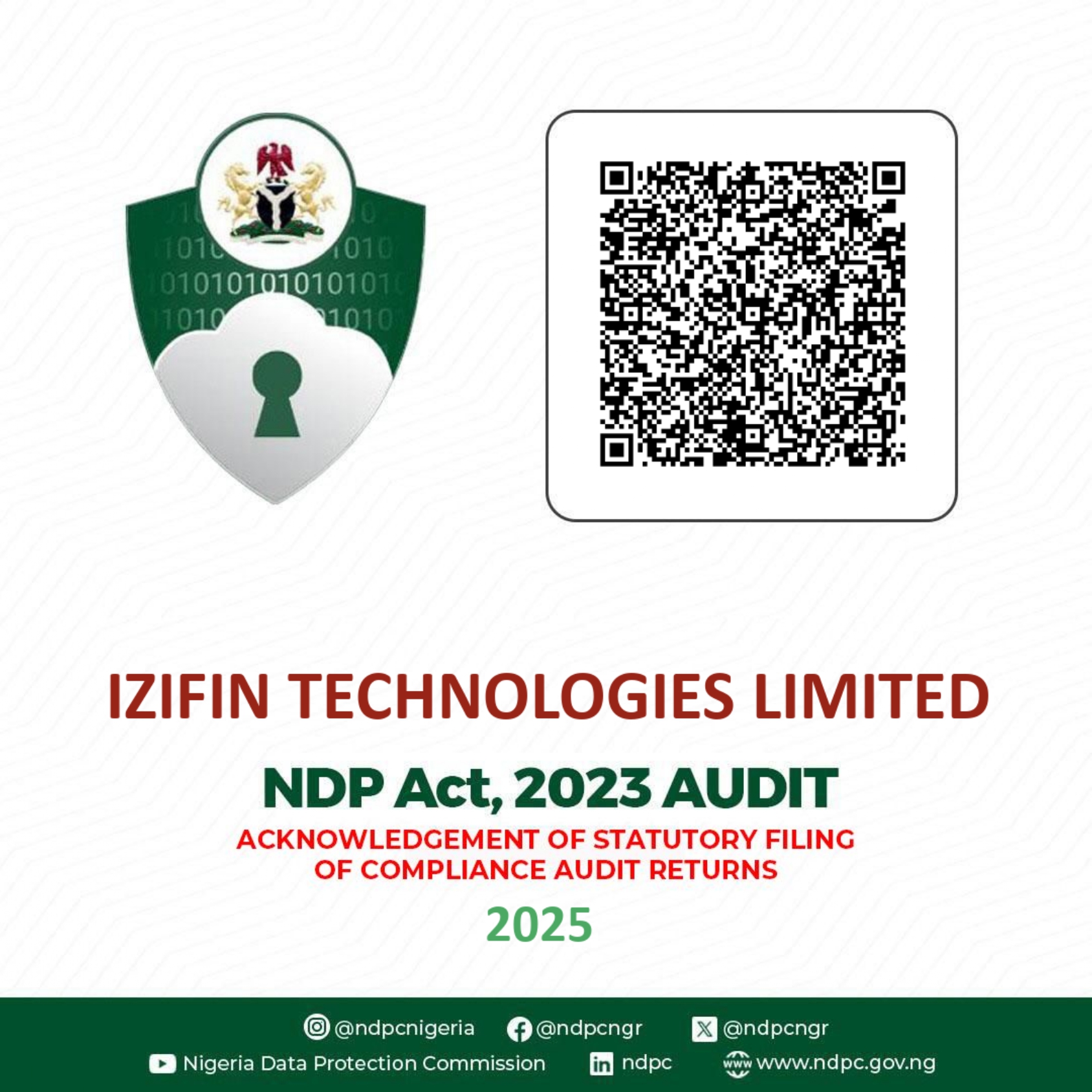
IziPaySmallSmall is Izifin's pay small small platform, used by businesses including Cedarcrest Hospitals, Evercare, Family Care Elegushi Medical Centre and Pascussi. Every customer who applies goes through KYC and credit verification before approval, which helps make sure plans are offered to people who can manage them.
We'd rather you ask hard questions than sign up on trust. The questions above apply to us too.
Questions People Often Ask#
- Is pay small small the same as a loan? Not exactly. It's usually tied to a specific purchase and repaid in instalments, where a loan gives you cash to spend freely. The details vary, so read how your plan is structured.
- Will it affect my credit record? That depends on the provider and what they report. Ask directly whether payments are reported and what happens if you miss one.
- Is it safe to give my BVN or ID? Providers often use these to verify identity. Share them only through the provider's official platform, and ask how the information is stored and used.
- Can a provider charge me extra after I sign? They shouldn't charge anything that isn't in your agreement. Check the fee terms before you sign, and keep a copy.
- What if I want to cancel? It depends on the terms. Ask before you commit, and get the answer in writing.
- How do I know if an offer on social media is genuine? Check for a real business with a website, contact details and verifiable reviews. Be suspicious of upfront fees or pressure to pay quickly.
Pay Small Small is a useful way to afford what you need when you can't pay all at once. Like any form of credit, it's only as safe as the provider behind it and the care you take before you agree.
Ask the questions, read the terms and trust your instincts. A good plan will welcome the scrutiny.
Want to see how IziPaySmallSmall works? Contact our team: 09163749161
About the Author
Eniola Apesinola
Contributing writer at the IziFin team. Exploring the frontiers of data engineering, automated finance, and financial inclusion.