
If you've spent time in Nigeria or much of West Africa, you've heard the phrase "pay small small." It shows up everywhere, a trader telling a customer they can settle a bill over time, a landlord agreeing to rent installments, a friend joking about how they're chipping away at a debt. It sounds informal, even playful but underneath it is a real financial concept that shows up in economies all over the world, just under different names.
What "Pay Small Small" Actually Means#
At its core, "pay small small" means paying for something in smaller, manageable portions over time instead of handing over the full amount upfront. It's built on a simple idea: big payments are hard, small payments are easy, and most people can find a little money more often than they can find a lot of money once.
This isn't a formal banking term, it's market-floor language, born out of everyday trade and community life but it maps directly onto financial mechanisms that economists and banks take very seriously.
Pay Small Small Has Other Names: Installments, BNPL, Layaway, and More#
The phrase might be informal, but the concept has several well-known formal equivalents:
- Installment Payments: This is the most direct match. Instead of paying the full price of an item at purchase, the buyer pays fixed amounts at regular intervals; weekly, monthly, or whatever is agreed, until the balance is cleared.
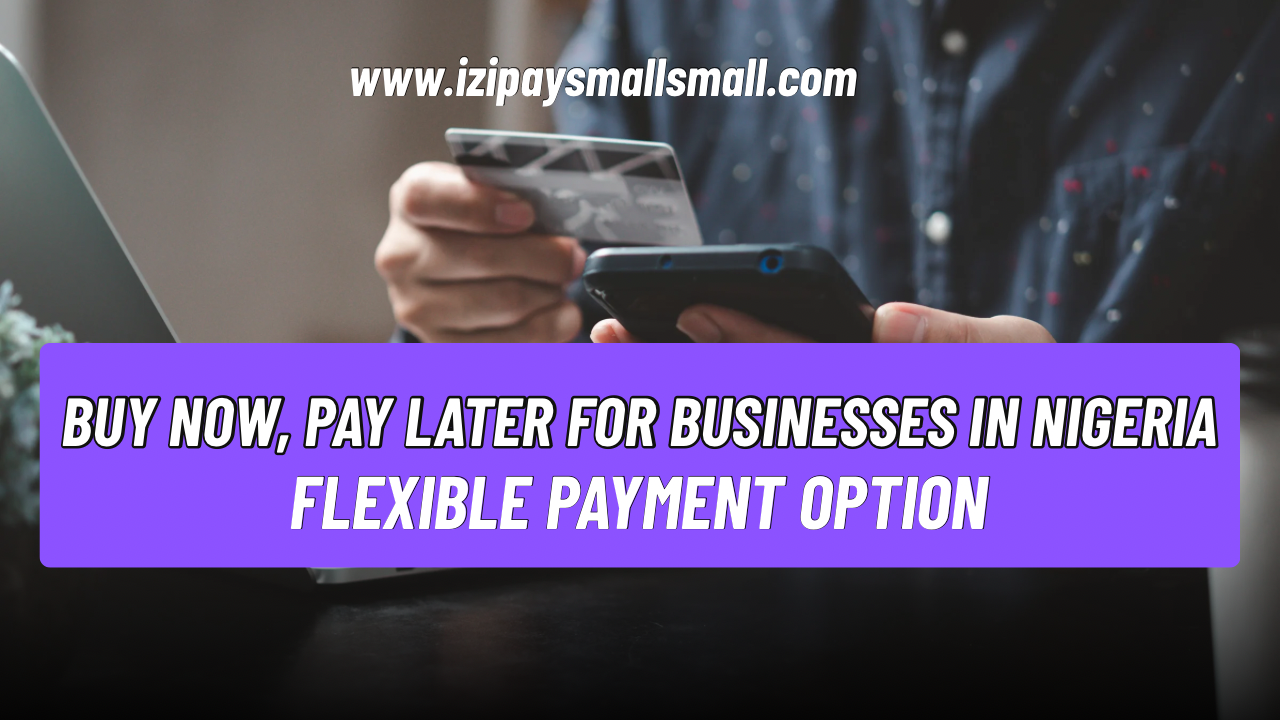
- Buy Now, Pay Later (BNPL): The modern, tech-driven version of "pay small small." Companies like ours, (Izifin), Klarna, Afterpay, and various African fintech platforms let you take a product home immediately and spread the cost across a few payments, often interest-free if paid on time.
- Layaway: The reverse timing of BNPL. With layaway, you pay in installments before you receive the item. The seller holds it aside until you've paid it off in full.
- Microfinance and Susu/Ajo Contributions": In many West African communities, informal savings groups (called "ajo," "esusu," or "susu" depending on the region) let members contribute small, regular amounts into a shared pool. Each member takes turns receiving the full pooled amount — a grassroots version of gradual payment working in reverse, as gradual saving that funds a lump sum.
- Amortized Loans: Even mortgages and car loans are a formalized "pay small small" arrangement. You don't pay for a house in one shot, you pay it down over 15, 20, or 30 years in structured monthly installments that include principal and interest.
Why "Pay Small Small" Works#
The appeal of this model isn't complicated, it solves a real cash flow problem.
- It matches income patterns: Most people earn money periodically (weekly wages, monthly salaries, seasonal income from farming or trade), not in one giant sum. Spreading payments to match that rhythm makes big purchases actually achievable.
- It lowers the psychological barrier to spending or investing: ₦500,000 feels impossible. ₦50,000 a month for ten months feels doable. The total is the same, but the framing changes behavior.
- It builds trust and relationships: In informal trade, allowing someone to "pay small small" is often a sign of trust between buyer and seller. A relationship-based alternative to formal credit checks.
- It can build credit and saving discipline. Formal installment plans, when paid consistently, can help build a credit history. Informal savings groups build financial discipline through peer accountability.
"Buy Now, Pay Small Small" captures something economists have long understood: cash flow management matters as much as total cost. Whether it's a market woman letting a customer settle a debt in bits, a fintech like Izifin offering BNPL at checkout, or a bank amortizing a 20-year mortgage, the underlying logic is the same, break a large financial obligation into pieces that fit real life.
It's a reminder that financial literacy isn't only about big, formal concepts. Sometimes the clearest explanation of how money really works is already sitting in everyday language, you just have to recognize it.
Next time you hear someone say "I go pay small small," you're not just hearing pidgin, you're hearing a working theory of cash flow, credit, and trust, refined over generations of market trading.
About the Author
Eniola Apesinola
Contributing writer at the IziFin team. Exploring the frontiers of data engineering, automated finance, and financial inclusion.