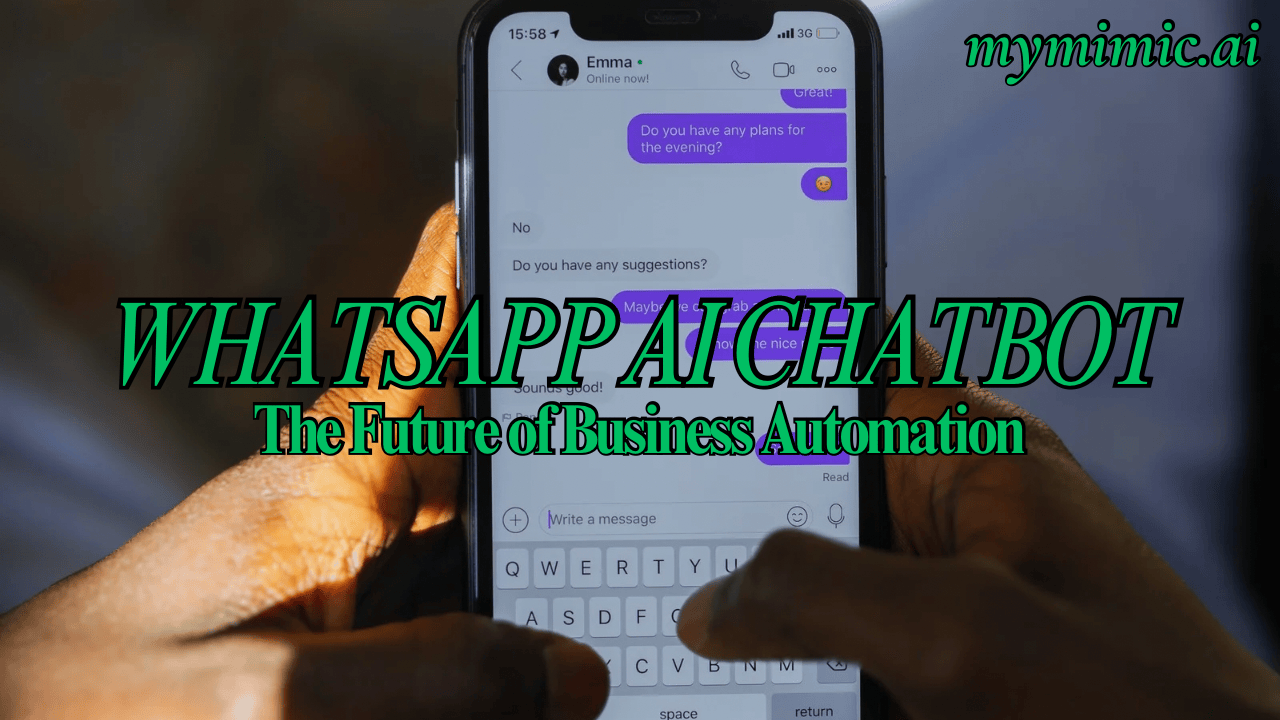
WhatsApp has become one of the world’s most powerful business communication channels, with over 2–3 billion users. Businesses in 2026 are increasingly turning to WhatsApp AI chatbots to automate conversations, improve response time, and scale without extra staff.
AI-driven tools are no longer optional, they’re essential for modern customer engagement.
What Is WhatsApp AI Chatbot?
A WhatsApp AI chatbot uses artificial intelligence to understand intent, respond naturally, and handle complex conversations on WhatsApp. Unlike old rule-based bots, modern AI chatbots can interpret context, recommend products, answer FAQs, and escalate to humans when needed.
This makes them function more like digital assistants than scripted bots.
Why Businesses Need WhatsApp Automation
Customer expectations have changed, people want instant, 24/7 and personalized communication. WhatsApp AI automation delivers exactly that.
- Instant Replies, Anytime: Customers message day or night, AI ensures they always get a fast response.
- Reduced Costs: Instead of hiring more staff, businesses automate repetitive tasks like FAQs, order tracking, and lead qualification.
- Higher Sales & Better Conversion: AI guides customers through purchase decisions and follows up automatically — platforms like Mimic already do this effectively.
- No Lost Messages
Who Is Using WhatsApp AI Chatbots?
Industries like ecommerce, travel, hospitality, automobiles, and SaaS use WhatsApp AI to book appointments, answer questions, offer recommendations, and manage orders — all automatically.
Artificial Intelligence is quickly becoming the first point of contact for every customer message.
WhatsApp AI chatbots are redefining how businesses communicate. They save time, reduce costs, increase sales, and give customers the instant, personalized experience they expect.
In 2026, adopting WhatsApp AI Chatbot like Mimic isn’t just an upgrade — it’s a competitive advantage.
About the Author
Eniola Apesinola
Contributing writer at the IziFin team. Exploring the frontiers of data engineering, automated finance, and financial inclusion.